-
-
-
-
Signs and Symptoms of Cardiomyopathy
The signs and symptoms of cardiomyopathy can vary depending on the type of cardiomyopathy and its severity. Here are common signs and symptoms associated with cardiomyopathy: It’s important to note that some individuals with cardiomyopathy may not exhibit noticeable symptoms,… Continue reading
-
Pathophysiology of Cardiomyopathy
The pathophysiology of cardiomyopathy varies depending on its specific type, but there are some common underlying mechanisms and changes that occur in the heart muscle. Here’s a general overview: Treatment of cardiomyopathy aims to address these underlying pathophysiological mechanisms, often… Continue reading
-
What is Cardiomyopathy?
Cardiomyopathy is a group of diseases that affect the heart muscle, making it harder for the heart to pump blood to the rest of the body. This condition can lead to symptoms such as fatigue, breathlessness, swelling in the legs,… Continue reading
-
Cardiomyopathy
What is Cardiomyopathy? Signs and Symptoms of Cardiomyopathy Pathophysiology of Cardiomyopathy Nursing Management of Cardiomyopathy Management of Cardiomyopathy Continue reading
-
Nursing Management of Myocardial Infarction
The nursing management of myocardial infarction (heart attack) involves several key components: The nursing care for myocardial infarction patients should be individualized based on their specific needs and condition, and close collaboration with the healthcare team is essential for optimal… Continue reading
-
STOMACH
The stomach is a vital organ in the digestive system. It’s located in the upper abdomen, just below the ribcage. Here are some key aspects of stomach anatomy: Understanding stomach anatomy is essential for comprehending the digestive process and various… Continue reading
-
What is Liver?
The liver is a vital organ located in the upper right side of the abdomen. It plays a crucial role in various metabolic processes and detoxification. Here’s a brief overview of liver anatomy: Understanding the anatomy of the liver is… Continue reading
-
Anatomy
brain Parts of Brain Neurons: The Building Blocks of the Brain Fetal Heart What is heart? What is Liver? STOMACH Lungs Gall Bladder Pancreas Small Intestine Large Intestine Kidneys Ureters Cervix Uterus BONES Cranial Bones Upper Limbs Lower Limbs Blood Blood… Continue reading
-
Fetal Circulation
Fetal circulation is different from postnatal (adult) circulation to accommodate the unique environment of the womb. Here’s an overview of fetal circulation: Fetal circulation is designed to provide the developing fetus with oxygen and nutrients while bypassing the non-functional fetal… Continue reading
-
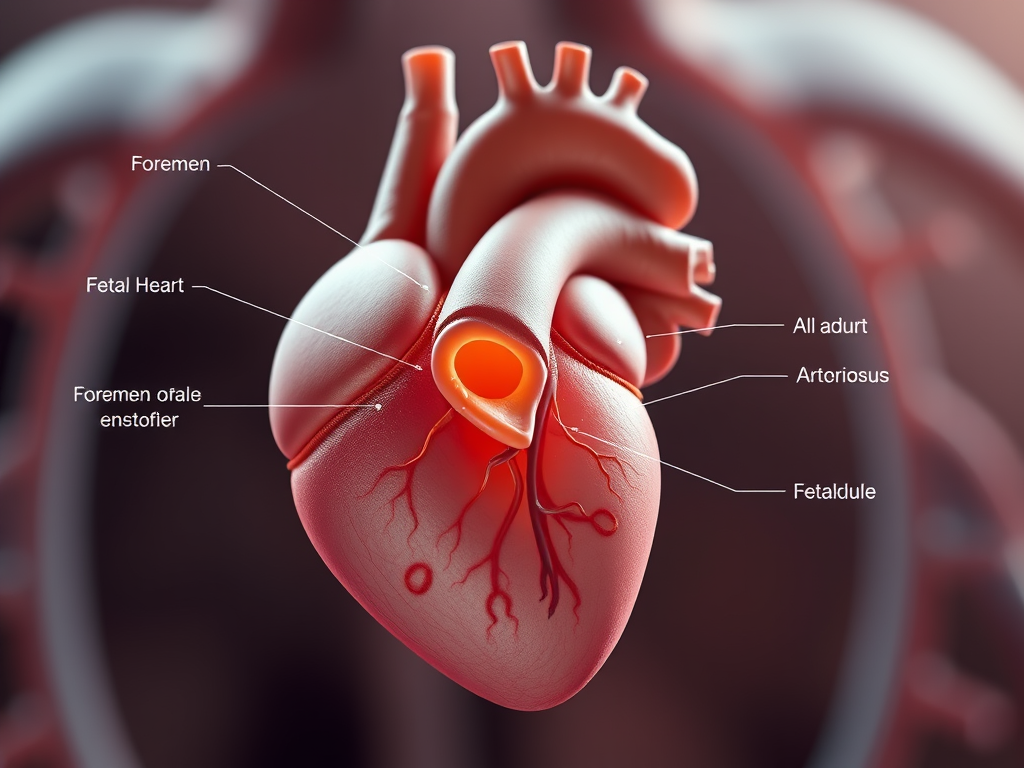
Fetal Heart Anatomy
The fetal heart anatomy differs from an adult heart in several ways. Here are some key points: The fetal heart undergoes significant developmental changes. These changes help it adapt to the unique environment in the womb. After birth, it transitions… Continue reading
-
-
-