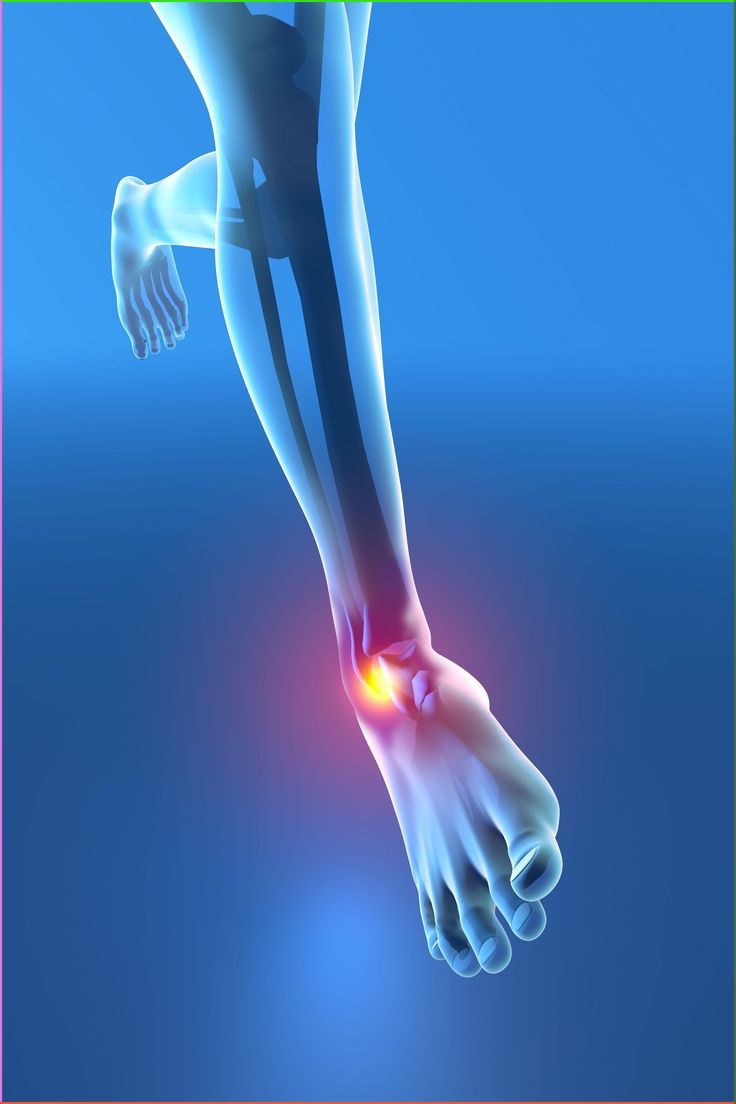
What is an Ankle Sprain?
An ankle sprain is one of the most common musculoskeletal injuries. It occurs when the ligaments that support the ankle joint are stretched or torn due to excessive twisting or rolling of the foot. Ligaments are strong bands of connective tissue that stabilize joints and prevent excessive movement.
Ankle sprains account for more than 90% of all ankle injuries, with the majority involving the lateral (outside) ligaments.
Epidemiology
- One of the most common sports injuries.
- Frequently affects athletes and physically active individuals.
- Approximately 1–10% of all sports injuries are ankle sprains.
- Anterior Talofibular Ligament (ATFL) injuries account for over 90% of lateral ankle sprains.
- Recurrent ankle sprains may result in chronic ankle instability.
Anatomy of the Ankle Ligaments
The lateral ankle is stabilized by three major ligaments:
1. Anterior Talofibular Ligament (ATFL)
- Most commonly injured ligament.
- Connects the fibula to the talus.
- Injured during inversion with plantar flexion.
- Weakest lateral ligament.
2. Calcaneofibular Ligament (CFL)
- Second most commonly injured.
- Connects the fibula to the calcaneus.
- Usually injured with more severe inversion injuries.
3. Posterior Talofibular Ligament (PTFL)
- Strongest lateral ligament.
- Least commonly injured.
- Usually damaged only in severe ankle trauma or dislocations.
Mechanism of Injury
Most ankle sprains occur when:
- The foot twists inward (inversion injury).
- The ankle is plantar-flexed during landing.
- Walking on uneven surfaces.
- Sports involving jumping and sudden direction changes.
- Falls or stepping awkwardly.
Risk Factors
- Previous ankle sprain
- Weak ankle muscles
- Poor balance
- Improper footwear
- High impact sports
- Running on uneven ground
- Obesity
Classification of Ankle Sprains
Grade I (Mild)
Ligament Injury
- Stretching without tearing
Symptoms
- Mild pain
- Minimal swelling
- No joint instability
- Able to bear weight
Recovery
1–3 weeks
Grade II (Moderate)
Ligament Injury
- Partial ligament tear
Symptoms
- Moderate swelling
- Bruising
- Pain while walking
- Mild instability
Recovery
3–6 weeks
Grade III (Severe)
Ligament Injury
- Complete ligament rupture
Symptoms
- Severe pain
- Marked swelling
- Significant bruising
- Unable to bear weight
- Gross ankle instability
Recovery
8–12 weeks or longer
Clinical Features
Patients may present with:
- Sudden ankle pain
- Swelling around the ankle
- Bruising
- Tenderness over injured ligament
- Difficulty walking
- Feeling of instability
- Limited ankle movement
- Popping sensation during injury
Associated Conditions
An ankle sprain may be associated with:
- Peroneal tendon injuries
- Osteochondral lesions of the talus
- Intra articular pathology
- Anterolateral ankle impingement
- Chronic ankle instability
- Sinus tarsi syndrome
- Base of fifth metatarsal fracture
- Anterior process of calcaneus fracture
- Lateral process of talus fracture
- Syndesmotic (high ankle) sprain
- Deltoid ligament injury (less common)
Diagnosis
Diagnosis is mainly clinical and supported by imaging when indicated.
Physical Examination
- Inspection for swelling and bruising
- Palpation of ATFL, CFL, and PTFL
- Range of motion assessment
- Anterior drawer test
- Talar tilt test
- Weight-bearing assessment
Imaging
X ray
Indicated if fracture is suspected (using Ottawa Ankle Rules).
Ultrasound
Useful for ligament evaluation.
MRI
Best for:
- Severe sprains
- Persistent pain
- Cartilage injuries
- Tendon injuries
- Chronic instability
Treatment
Immediate Management (RICE Protocol)
Rest
Avoid activities that worsen pain.
Ice
Apply for 15–20 minutes every 2–3 hours during the first 48 hours.
Compression
Use an elastic compression bandage or ankle brace.
Elevation
Keep the ankle elevated above heart level.
Pain Management
Common medications include:
- Paracetamol (Acetaminophen)
- Ibuprofen
- Naproxen
Use NSAIDs cautiously in patients with kidney disease, gastric ulcers, or bleeding disorders.
Immobilization
Depending on injury severity:
- Elastic bandage
- Lace up ankle brace
- Walking boot
- Short leg cast (rarely)
Rehabilitation
Early rehabilitation helps prevent chronic instability.
Phase 1
- Pain control
- Swelling reduction
- Gentle ankle movements
Phase 2
- Stretching exercises
- Range of motion exercises
Phase 3
- Strengthening with resistance bands
- Calf strengthening
Phase 4
- Balance and proprioception training
- Single leg standing
- Wobble board exercises
Phase 5
- Running
- Jumping
- Sport specific drills
Surgical Management
Surgery is rarely required but may be indicated for:
- Chronic ankle instability
- Recurrent ankle sprains
- Complete ligament rupture with persistent instability
- Failed conservative treatment
- Associated fractures requiring fixation
Possible Complications
- Chronic ankle instability
- Recurrent sprains
- Persistent pain
- Joint stiffness
- Post-traumatic arthritis
- Tendon injuries
- Chronic swelling
Prevention
- Perform ankle strengthening exercises.
- Improve balance and proprioception.
- Warm up before sports.
- Wear supportive footwear.
- Use ankle braces during high-risk activities.
- Avoid uneven surfaces when possible.
Prognosis
Most Grade I and Grade II sprains heal completely with conservative treatment and rehabilitation. Grade III injuries require a longer recovery period and, in some cases, surgical intervention. Proper rehabilitation significantly reduces the risk of recurrence.

Key Points
- ATFL is the most commonly injured ligament.
- CFL is the second most commonly injured ligament.
- PTFL is rarely injured.
- Over 90% of ankle sprains involve the lateral ligaments.
- Early rehabilitation is essential to restore strength, balance, and prevent chronic ankle instability.
© 2026 aminarehman.com. All rights reserved.
This content is original and optimized for WordPress publication. It is intended for educational purposes and should not replace professional medical advice.


Leave a Reply