Introduction
Pain management is an essential component of healthcare, particularly for patients recovering from injury, surgery, or living with chronic musculoskeletal conditions. Among the various non-pharmacological interventions available, whirlpool bath therapy remains a valuable hydrotherapy technique that promotes comfort, relaxation, and functional recovery.
By combining the therapeutic effects of warm water, buoyancy, and gentle massage, whirlpool therapy can help reduce pain, improve circulation, and enhance mobility.
What Is Whirlpool Bath Therapy?
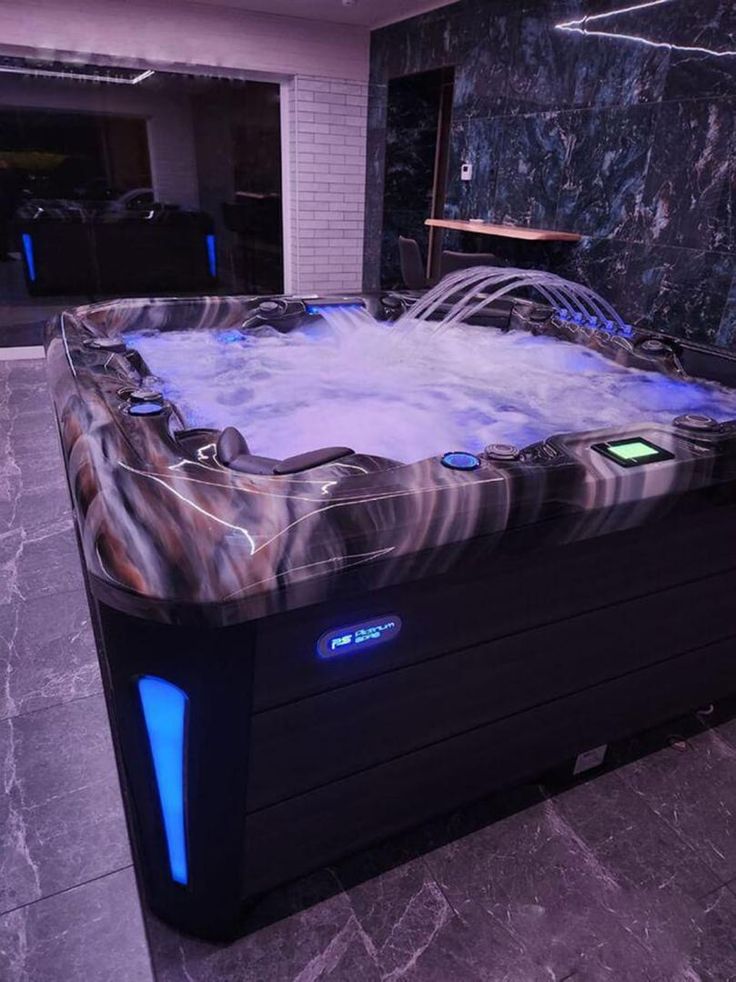
Whirlpool bath therapy is a specialized form of hydrotherapy that utilizes warm, circulating water to provide therapeutic benefits. Water jets create a continuous movement that gently massages the body or affected area, helping to relieve discomfort and promote relaxation.
This therapy is commonly used in:
- Hospitals
- Rehabilitation centers
- Physical therapy departments
- Sports medicine facilities
- Wellness clinics
Therapeutic Principles of Whirlpool Bath Therapy
The effectiveness of whirlpool therapy is based on three key therapeutic mechanisms.
Heat
Warm water increases tissue temperature, promoting muscle relaxation and reducing stiffness.
Buoyancy
Water supports body weight, decreasing stress on joints and allowing easier movement.
Mechanical Massage
The circulating water creates a massaging action that helps reduce muscle tension and improve local blood flow.
Indications for Whirlpool Therapy
Whirlpool therapy may be recommended for patients experiencing:
- Osteoarthritis
- Rheumatoid arthritis
- Chronic back pain
- Muscle spasms
- Joint stiffness
- Sports injuries
- Muscle strains and sprains
- Post-operative discomfort (when approved by a physician)
- Fibromyalgia
Procedure
Preparation
- Assess the patient’s condition and pain level.
- Verify that whirlpool therapy is appropriate for the patient.
- Ensure the water temperature is safe and comfortable.
Treatment
- Fill the whirlpool tub with warm water.
- Assist the patient into the tub if required.
- Activate the water jets.
- Position the affected body part in the circulating water.
- Continue treatment for approximately 15–20 minutes.
- Monitor the patient throughout the session.
Post Treatment Care
- Assist the patient out of the tub safely.
- Dry the treated area thoroughly.
- Reassess pain levels and patient comfort.
- Document the patient’s response to therapy.
Benefits of Whirlpool Bath Therapy in Pain Management
Pain Reduction
Warm, moving water helps decrease pain perception by relaxing muscles and stimulating circulation.
Improved Blood Circulation
Enhanced blood flow increases oxygen and nutrient delivery to tissues, supporting healing and recovery.
Muscle Relaxation
The combination of heat and massage reduces muscle tension and spasms.
Increased Joint Mobility
Whirlpool therapy helps reduce stiffness, allowing greater flexibility and range of motion.
Stress Relief
The soothing environment promotes relaxation and may reduce anxiety associated with chronic pain.
Rehabilitation Support
The therapy serves as a valuable adjunct to physical rehabilitation programs.
Nursing Considerations
Healthcare professionals should:
- Assess pain before and after treatment.
- Monitor water temperature carefully.
- Observe for dizziness or discomfort.
- Ensure patient safety during entry and exit.
- Encourage adequate hydration.
- Maintain infection control practices.
- Document treatment duration and patient outcomes.
Contraindications and Precautions
Whirlpool therapy should be avoided or used with caution in patients with:
- Active infections
- Severe cardiovascular disease
- Uncontrolled hypertension
- Fever
- Severe circulatory disorders
- Open wounds unless specifically prescribed
- Impaired sensation that may prevent detection of excessive heat
A physician’s assessment should always be considered before initiating therapy.
Evidence Based Role in Pain Management
Research suggests that hydrotherapy interventions such as whirlpool baths may contribute to pain reduction, improved physical function, and enhanced quality of life when incorporated into a comprehensive treatment plan. Although it is not a replacement for medical treatment, whirlpool therapy can be an effective complementary intervention for many patients experiencing acute or chronic pain.

Copyright Notice
© 2026 Amina Rehman. All Rights Reserved.


Leave a Reply