Introduction
Hydrotherapy encompasses a variety of water based treatments used to relieve pain, promote relaxation, and support rehabilitation. Among these therapies, hydro massage therapy has become increasingly popular due to its ability to combine the benefits of massage and heat without requiring hands on treatment.
Hydro massage therapy can help reduce muscle tension, improve circulation, and enhance recovery. Understanding how hydro massage differs from immersion bath therapy and whirlpool therapy can help healthcare professionals select the most appropriate intervention for individual patient needs.
What Is Hydro Massage Therapy?
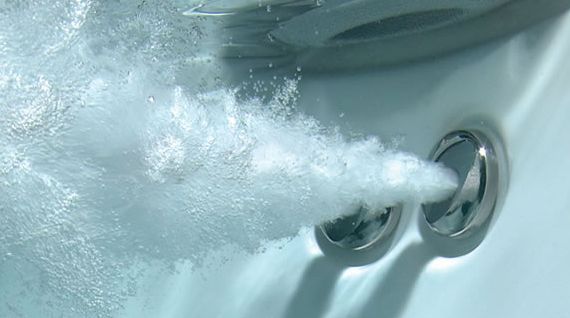
Hydro massage therapy is a therapeutic technique that uses pressurized water jets to massage muscles and soft tissues. Treatment may be delivered through specialized hydro massage tables, chairs, or hydrotherapy systems.
Unlike immersion bath therapy, hydro massage focuses primarily on the mechanical action of water pressure. Unlike whirlpool therapy, fullbody immersion is not always required.
How Hydromassage Therapy Works
Mechanical Massage Effect
Pressurized water jets provide a controlled massage that helps reduce muscle tightness and discomfort.
Heat Therapy
Warm water increases tissue temperature, promoting muscle relaxation and improved circulation.
Enhanced Blood Flow
The massage action stimulates circulation, improving oxygen and nutrient delivery to tissues.
Pain Modulation
Hydro massage may help decrease pain perception through sensory stimulation and muscle relaxation.
Stress Reduction
The relaxing effects of warm water and massage can help reduce stress and anxiety.
Benefits of Hydro Massage Therapy
Pain Relief
Hydromassage helps alleviate musculoskeletal pain and discomfort.
Muscle Relaxation
The therapy reduces muscle tension, spasms, and stiffness.
Improved Circulation
Enhanced blood flow supports tissue repair and recovery.
Increased Flexibility
Relaxed muscles and joints may contribute to improved mobility and range of motion.
Stress Management
Hydro massage promotes relaxation and emotional well being.
Rehabilitation Support
The therapy may complement rehabilitation programs following injury or illness.
Clinical Applications
Hydro massage therapy may be beneficial for patients with:
- Chronic back pain
- Neck pain
- Osteoarthritis
- Rheumatoid arthritis
- Fibromyalgia
- Sports related injuries
- Muscle strains and sprains
- Generalized muscular tension
- Post exercise soreness
Hydro Massage Procedure
Patient Assessment
Evaluate pain levels, mobility, medical history, and contraindications.
Preparation
Adjust water temperature, pressure settings, and treatment duration according to patient needs.
Treatment Session
The patient receives a targeted water massage for approximately 10–30 minutes while remaining comfortably positioned.
Post Treatment Evaluation
Assess pain relief, muscle relaxation, and overall patient response.
Hydro massage vs. Immersion Bath Therapy
Hydromassage Therapy
- Uses pressurized water jets
- Provides a massage effect
- May not require full body immersion
- Delivers targeted treatment to specific body areas
- Greater stimulation of muscles and soft tissues
Immersion Bath Therapy
- Uses still warm water
- Relies mainly on heat and buoyancy
- Requires body immersion
- Provides gentle relaxation
- No massage action
Hydro massage vs. Whirlpool Therapy
Hydro massage Therapy
- Uses controlled, targeted water pressure
- Treatment can be directed toward specific muscle groups
- Often delivered through specialized tables or chairs
- May not require immersion
Whirlpool Therapy
- Uses circulating water within a therapeutic tub
- Combines heat, buoyancy, and water agitation
- Requires immersion of the body or affected body part
- Produces a broader massage effect through water movement
Choose Hydro Massage Therapy When:
- Muscle tension is the primary concern.
- Targeted soft tissue treatment is needed.
- The patient prefers stronger massage effects.
- Full body immersion is not practical.
Choose Immersion Bath Therapy When:
- Gentle relaxation is desired.
- Heat therapy is the primary treatment goal.
- A simple and cost effective intervention is preferred.
Choose Whirlpool Therapy When:
- Both heat and massage are required.
- Joint stiffness and muscle tightness are present.
- Rehabilitation goals involve improving circulation and mobility.
Nursing Considerations
Healthcare professionals should:
- Monitor patient comfort and tolerance.
- Assess pain before and after therapy.
- Observe for dizziness, fatigue, or discomfort.
- Ensure equipment safety.
- Encourage hydration.
- Document patient outcomes.
Contraindications and Precautions
Hydromassage therapy should be used cautiously in patients with:
- Active infections
- Uncontrolled cardiovascular disease
- Severe circulatory disorders
- Fever
- Open wounds
- Acute inflammation or trauma without medical clearance

Clinical assessment should always guide treatment decisions.
Copyright © 2026 Amina Rehman. All Rights Reserved.
This original article was created exclusively for publication on aminarehman.com. Unauthorized reproduction, distribution, storage, transmission, display, or republication of this content is prohibited without prior written permission from the author.


Leave a Reply