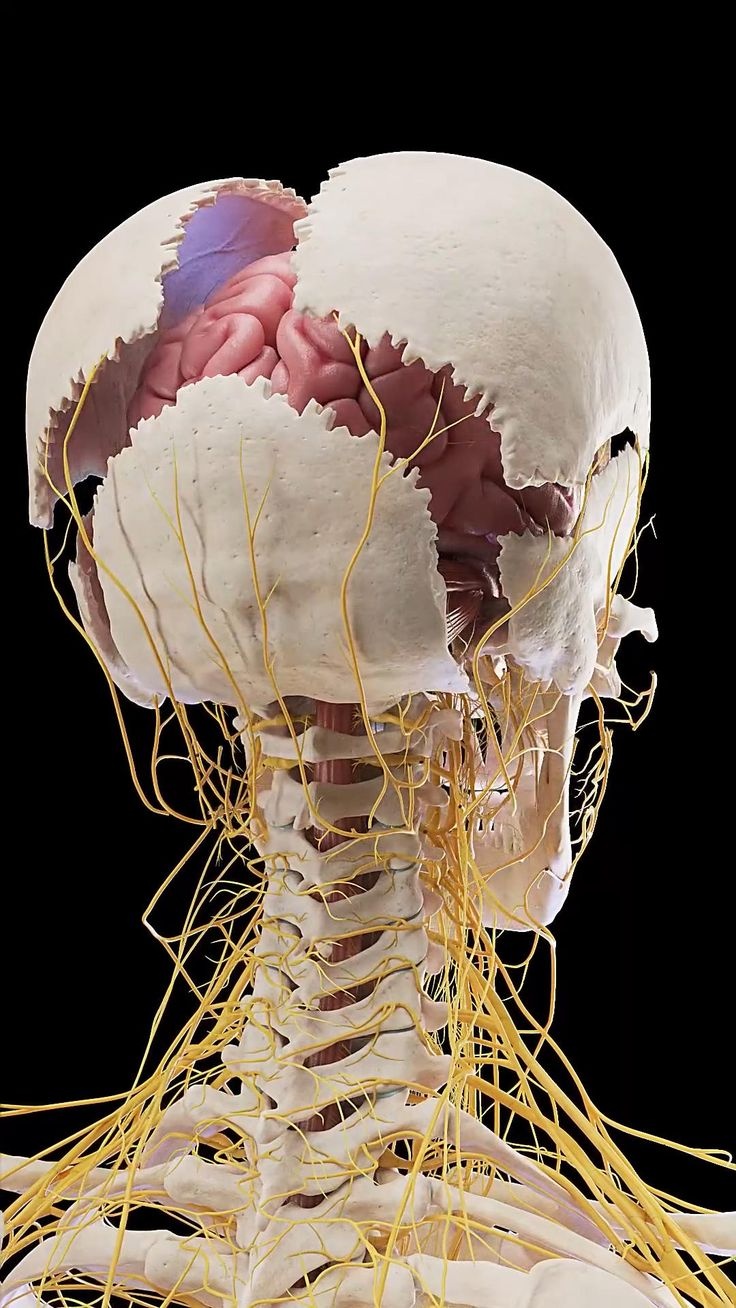
Introduction
Many people experience pain in the neck, shoulders, upper back, or even headaches without realizing that the true source may originate from small joints in the cervical spine known as the facet joints. These joints can produce characteristic referred pain patterns, meaning pain is felt away from the actual site of irritation.
Understanding cervical facet joint pain may help improve posture awareness, rehabilitation strategies, and early clinical evaluation.
What Are Cervical Facet Joints?
The cervical spine contains seven vertebrae labeled C1 to C7. Between these vertebrae are small paired joints called facet joints.
These joints play several important roles:
- Guide neck movement
- Stabilize the cervical spine
- Control bending and rotation
- Maintain smooth spinal motion
Facet joints function like small hinges that help coordinate movement throughout the neck.
What Is Referred Pain?
Referred pain occurs when pain is felt in an area different from the actual source of irritation.
In cervical facet joint dysfunction:
- Pain signals from irritated joints travel through shared nerve pathways
- The brain may interpret the pain as coming from nearby regions
As a result, cervical facet irritation may cause pain in the:
- Head
- Shoulder
- Shoulder blade
- Upper back
Common Cervical Facet Joint Referral Patterns
C2–C3 Facet Joint
Pain may refer to:
- Back of the head
- Upper neck
- Occipital region
This level is commonly associated with cervicogenic headaches.
C3–C4 Facet Joint
Pain may spread to:
- Side of the neck
- Base of the skull
- Upper shoulder region
Symptoms may include neck stiffness and local tenderness.
C4–C5 Facet Joint
Pain frequently refers toward:
- Top of the shoulder
- Trapezius muscle area
This pain is often mistaken for shoulder muscle strain.
C5–C6 Facet Joint
Pain may radiate into:
- Shoulder blade region
- Upper back
Symptoms may worsen during:
- Neck extension
- Head rotation
C6–C7 Facet Joint
Pain may extend toward:
- Lower scapular region
- Upper thoracic spine
Patients often describe a deep aching discomfort.

Why Cervical Facet Joints Become Painful
Several factors may contribute to cervical facet irritation, including:
- Poor posture
- Degenerative arthritis
- Repetitive neck strain
- Whiplash injuries
- Forward head posture
- Muscle imbalance
- Age related spinal degeneration
These conditions increase stress on the facet joints and surrounding soft tissues.
Common Symptoms of Cervical Facet Joint Pain
Symptoms may include:
- Localized neck pain
- Neck stiffness
- Pain while turning the head
- Shoulder or upper back pain
- Headaches
- Muscle tightness
- Reduced cervical mobility
Pain often increases after prolonged sitting or poor posture.
Biomechanical Explanation
Cervical facet joints contain numerous pain-sensitive nerve endings.
When inflamed:
- Pain receptors become activated
- Signals travel through interconnected nerve pathways
- The nervous system may create referred pain patterns
The cervical spine functions as a coordinated movement system rather than isolated segments.
Conditions That May Mimic Facet Joint Pain
Facet-related pain may overlap with:
- Cervical disc disorders
- Muscle trigger points
- Nerve root irritation
- Shoulder pathology
- Tension headaches
- Cervical radiculopathy
Accurate diagnosis requires proper clinical evaluation.
Medications Used for Cervical Facet Joint Pain
1. Non-Steroidal Anti-Inflammatory Drugs (NSAIDs)
Common examples include:
- Ibuprofen
- Naproxen
- Diclofenac
2.Acetaminophen
Paracetamol
3.Muscle Relaxants
Examples include:
- Cyclobenzaprine
- Tizanidine
4.Topical Medications
Examples include:
- Anti inflammatory gels
- Heat creams
- Lidocaine based topical preparations
5.Corticosteroid Injections
6.Neuropathic Pain Medications
Gabapentin
Pregabalin
Important Medication Safety Note
Medications should only be used under professional medical guidance.
Some medicines may interact with:
- Blood pressure medications
- Kidney disease
- Liver disease
- Stomach ulcers
- Other chronic conditions
Supportive Management Approaches
1. Posture Correction
Improving posture may reduce stress on cervical joints and surrounding muscles.
2. Gentle Mobility Exercises
Controlled movement exercises may help maintain flexibility and reduce stiffness.
3. Muscle Strengthening
Strengthening programs often focus on:
- Deep neck flexor muscles
- Scapular stabilizers
- Postural muscles
4. Ergonomic Improvements
Workstation modifications and reducing forward head posture may decrease cervical strain.
5. Heat Therapy and Relaxation
Heat application may help relieve muscle guarding and improve comfort.
6. Professional Medical Guidance
Healthcare professionals may recommend:
- Physiotherapy
- Manual therapy
- Rehabilitation exercises
- Diagnostic evaluation
- Pain management strategies
Helpful Exercises
Chin Tucks
Help improve cervical alignment and posture.
Shoulder Blade Squeezes
Support upper back stability and posture control.
Gentle Neck Rotation Stretch
Helps maintain cervical mobility and flexibility.
What to Avoid
Avoid the following habits that may worsen cervical facet stress:
- Prolonged slouched posture
- Sudden neck twisting
- Excessive screen time without breaks
- Poor workstation ergonomics
- Ignoring persistent symptoms
© Copyright Notice ( amamedico)
© 2026 amamedico. All Rights Reserved.


Leave a Reply