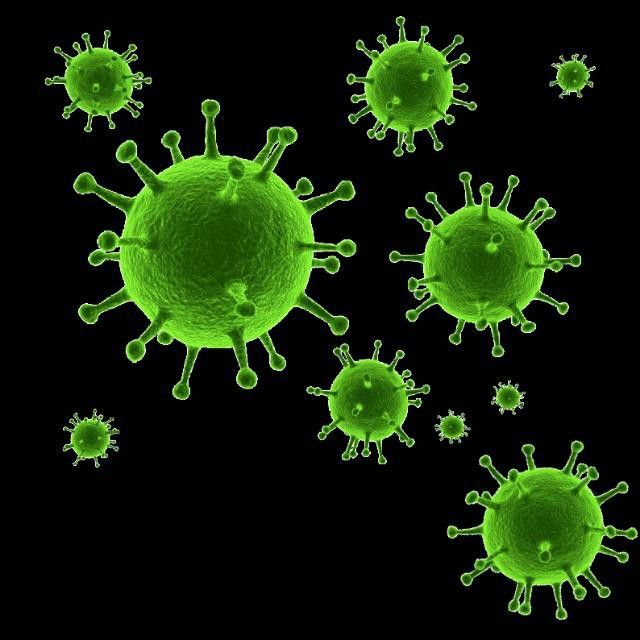
COVID 19 is an infectious disease caused by the SARS CoV 2 virus. Since it first emerged, the virus has spread across the world and has continued to evolve into different variants.
For many people, COVID 19 causes a mild respiratory illness that improves without specific treatment. However, some people can develop severe respiratory disease, pneumonia, blood clotting problems, organ complications or other serious conditions.
The illness can affect people differently. Age, underlying health conditions, previous infection, vaccination status and the characteristics of the circulating virus can all influence the risk of severe disease.
Understanding COVID 19 symptoms, transmission, risk factors, testing, treatment, prevention and long term effects can help people make informed decisions about their health.
What Is COVID 19?
COVID 19 is the disease caused by infection with SARS CoV 2, a coronavirus.
The virus primarily affects the respiratory system, but COVID 19 can involve several other organs and body systems.
The infection can range from an illness with no noticeable symptoms to severe disease requiring hospitalization.
Although the emergency phase of the pandemic has changed, COVID 19 continues to circulate globally, and outbreaks can still occur.
What Is SARS CoV 2?
SARS CoV 2 is the virus responsible for COVID 19.
It belongs to the coronavirus family. Coronaviruses are a large group of viruses that can infect humans and animals.
SARS CoV 2 can change genetically over time, producing new variants.
Some variants spread more easily than earlier versions of the virus or have other characteristics that affect transmission and immunity.
How Does COVID 19 Spread?
COVID 19 primarily spreads through infectious respiratory particles released by an infected person.
Transmission can occur when an infected person:
Breathes
Talks
Coughs
Sneezes
During these activities, virus containing particles can enter the air and may be inhaled by people nearby.
The likelihood of transmission is generally higher during close contact and in poorly ventilated indoor environments.
People can transmit the virus even when they do not feel very sick.
Can Someone Spread COVID 19 Without Symptoms?
Yes.
A person infected with SARS CoV 2 may have no symptoms but can still transmit the virus.
Transmission can also occur before noticeable symptoms develop.
This is one reason why respiratory hygiene, staying home when sick and appropriate precautions around vulnerable people remain important.
How Long Is COVID 19 Contagious?
The period during which a person can transmit the virus varies.
People are generally most infectious around the time symptoms begin and during the early part of the illness, although infectiousness can continue for longer in some individuals.
People with weakened immune systems may remain infectious for a longer period.
Following current public health guidance is particularly important when someone is sick or has recently tested positive.
Symptoms of COVID 19
COVID 19 symptoms can range from mild to severe.
Common symptoms include:
Fever
Chills
Cough
Sore throat
Runny or blocked nose
Headache
Fatigue
Muscle aches
Shortness of breath
Loss or change of taste or smell
Nausea
Vomiting
Diarrhea
Symptoms can vary depending on the individual and the virus variant.
Early Symptoms of COVID 19
Early COVID 19 may resemble an ordinary cold or influenza.
A person may initially experience:
Sore throat
Runny nose
Cough
Headache
Fatigue
Fever
Because many respiratory infections produce similar symptoms, symptoms alone cannot reliably determine whether someone has COVID 19.
Loss of Taste and Smell
A loss or change in taste or smell became particularly recognized as a COVID 19 symptom during earlier stages of the pandemic.
It can still occur, although its frequency varies with the circulating virus and individual circumstances.
Some people recover their sense of taste and smell quickly, while others may experience changes for a longer period.
Persistent changes should be discussed with a healthcare professional.
COVID 19 Without Symptoms
Some infected people develop asymptomatic COVID 19, meaning they do not notice symptoms.
Others may experience only very mild symptoms and may mistake them for an ordinary cold.
Even people with mild or no symptoms can potentially transmit SARS CoV 2.
COVID 19 in Children
Children can become infected with SARS CoV 2.
Many children experience mild illness or no symptoms.
Possible symptoms include:
Fever
Cough
Sore throat
Runny nose
Fatigue
Headache
Vomiting
Diarrhea
Most children recover without serious complications, but severe disease can occur, particularly in children with certain underlying health conditions.
COVID 19 in Older Adults
Older adults have a higher risk of developing severe COVID 19 than younger healthy adults.
The risk can increase further when other conditions are present, such as:
Heart disease
Lung disease
Diabetes
Kidney disease
Obesity
Cancer
Weakened immune system
For people at increased risk, early medical advice after developing symptoms can be particularly important because some treatments work best when started early.
COVID 19 During Pregnancy
Pregnancy can increase the risk of severe illness from respiratory infections, including COVID 19.
Pregnant people who develop COVID 19 should discuss their symptoms and treatment options with their healthcare professional, especially if they have additional risk factors.
COVID 19 vaccination is also an important topic to discuss with a qualified healthcare professional because recommendations can vary according to country, pregnancy stage and individual circumstances.
COVID 19 and People With Weak Immune Systems
People with weakened immune systems may have a higher risk of severe disease and prolonged infection.
Examples can include people receiving certain cancer treatments, transplant recipients and people taking specific immune suppressing medicines.
These individuals should have an individualized plan with their healthcare team regarding vaccination, prevention, testing and treatment.
How Severe Can COVID 19 Become?
COVID 19 can range from a mild respiratory illness to severe disease.
Serious complications can include:
Viral pneumonia
Low blood oxygen
Acute respiratory distress
Blood clots
Heart complications
Kidney injury
Neurological complications
Sepsis
Severe illness can require hospitalization and, in some cases, intensive care.
Who Is at Higher Risk of Severe COVID 19?
Risk increases with factors such as:
Older age
Certain chronic medical conditions
Weakened immune function
Pregnancy
Previous lack of immunity
Certain medications
The exact level of risk differs between individuals.
People at increased risk should discuss prevention and early treatment options with their healthcare professional.
COVID 19 and Lung Inflammation
The lungs are one of the main organs affected by COVID 19.
In more serious infections, inflammation can damage the tiny air sacs responsible for exchanging oxygen and carbon dioxide.
This can result in pneumonia and reduced oxygen levels.
Severe inflammation can sometimes lead to acute respiratory distress syndrome, a serious condition that requires hospital treatment.
COVID 19 and Pneumonia
COVID 19 pneumonia occurs when SARS CoV 2 infection causes significant inflammation and infection within the lungs.
Symptoms may include:
Persistent cough
Shortness of breath
Fever
Chest discomfort
Low oxygen levels
COVID 19 pneumonia is more serious than an uncomplicated mild respiratory infection and may require hospital monitoring.
COVID 19 and Blood Clots
COVID 19 can increase the tendency for abnormal blood clotting, particularly during severe illness.
Clots can occur in veins or arteries and may cause complications such as:
Deep vein thrombosis
Pulmonary embolism
Stroke
The risk is generally higher during severe infection and hospitalization.
Sudden chest pain, severe breathlessness, coughing blood or sudden neurological symptoms require urgent medical evaluation.
COVID 19 and the Heart
COVID 19 can affect the cardiovascular system.
Some patients may develop:
Abnormal heart rhythms
Inflammation of the heart muscle
Inflammation around the heart
Worsening of existing cardiovascular disease
People experiencing persistent chest pain, fainting, significant palpitations or unexplained breathlessness should seek medical assessment.
COVID 19 and the Nervous System
Some people experience neurological symptoms during or after COVID 19.
These can include:
Headache
Dizziness
Difficulty concentrating
Changes in smell or taste
Sleep problems
Numbness or tingling
Serious neurological complications are less common but can occur.
Sudden weakness, difficulty speaking, severe confusion or loss of consciousness requires emergency medical care.
COVID 19 and the Digestive System
COVID 19 can also cause digestive symptoms.
These may include:
Nausea
Vomiting
Diarrhea
Abdominal discomfort
Digestive symptoms can occur with or without respiratory symptoms.
How Is COVID 19 Diagnosed?
COVID 19 can be diagnosed using viral testing.
The two main types of tests used in everyday settings are:
Molecular tests
Antigen tests
Testing may be particularly useful when someone has symptoms, has been exposed to an infected person or belongs to a group at increased risk of severe disease.
Molecular Tests
Molecular tests, including PCR based tests, detect genetic material from SARS CoV 2.
They are generally highly sensitive and can be useful when accurate detection of infection is important.
Some molecular tests can detect infection even when the amount of virus is relatively low.
Antigen Tests
Antigen tests detect specific proteins from the virus.
They can provide results relatively quickly and are convenient for home testing in many countries.
However, antigen tests can be less sensitive than molecular tests, particularly early in infection or when the viral amount is low.
A negative antigen test does not always completely rule out infection.
What Should You Do After a Positive COVID 19 Test?
If you test positive, follow the current public health recommendations in your country.
In general, people who are sick should:
Stay away from others while feeling acutely unwell
Improve ventilation
Wear a well fitting mask when around other people if appropriate
Practice good respiratory hygiene
Avoid close contact with people at high risk of severe illness
People at high risk should contact a healthcare professional promptly because certain antiviral treatments are most effective when started early.
Treatment of COVID 19
Treatment depends on symptom severity and individual risk.
Most people with mild COVID 19 recover at home with supportive care.
People at higher risk of severe disease may be eligible for specific antiviral treatment.
Severe illness may require hospital treatment, oxygen therapy and other supportive measures.
Home Care for Mild COVID 19
For mild illness, supportive care may include:
Adequate fluids
Rest
Regular nutrition
Managing fever or discomfort with appropriate medicines
Monitoring symptoms
People should follow the instructions on medication labels and seek professional advice if they have medical conditions or take other medicines that could cause interactions.
Antiviral Treatment
Certain antiviral medicines can reduce the risk of severe COVID 19 in people who are at increased risk.
Examples of antiviral treatment options used in appropriate patients include nirmatrelvir with ritonavir and remdesivir.
Treatment eligibility depends on factors such as:
Age
Underlying health conditions
Time since symptoms began
Current medicines
Kidney and liver function
Because antiviral medicines can have important drug interactions and other restrictions, they should be prescribed by an appropriate healthcare professional.
Why Early Treatment Matters
For eligible high risk patients, COVID 19 antiviral treatment generally needs to be started early in the illness.
Waiting until symptoms become severe can reduce the opportunity for some antiviral treatments to provide their greatest benefit.
People at increased risk should know in advance how to contact their healthcare provider if they develop symptoms.
Treatment for Severe COVID 19
People with severe COVID 19 may require hospital care.
Treatment can include:
Supplemental oxygen
Corticosteroids in appropriate patients
Other immune modifying medicines
Antiviral treatment in selected circumstances
Treatment for blood clotting complications
Respiratory support
The exact treatment depends on the severity of illness and the patient’s medical condition.
Oxygen Treatment
When COVID 19 causes low blood oxygen levels, supplemental oxygen may be necessary.
Patients with severe respiratory failure may require advanced respiratory support, including mechanical ventilation in some cases.
Oxygen treatment should be guided by healthcare professionals because both insufficient and excessive oxygen can be harmful in certain circumstances.
Are Antibiotics Useful for COVID 19?
Antibiotics do not treat SARS CoV 2 itself.
COVID 19 is caused by a virus, while antibiotics are designed to treat bacterial infections.
A doctor may prescribe antibiotics if there is evidence of a bacterial infection occurring alongside COVID 19.
Taking antibiotics unnecessarily can cause side effects and contributes to antibiotic resistance.
Vaccination and COVID 19
COVID 19 vaccination remains an important tool for reducing the risk of severe disease, hospitalization and death, particularly among people at increased risk.
Vaccine recommendations have changed as evidence, circulating variants and population immunity have evolved.
The appropriate vaccine schedule depends on factors such as:
Age
Previous vaccination
Previous infection
Underlying health conditions
Pregnancy
Local public health recommendations
People should follow the current recommendations of their national health authority or healthcare professional.
Can Vaccinated People Get COVID 19?
Yes.
COVID 19 vaccines do not provide perfect protection against infection.
A vaccinated person can still become infected and transmit the virus.
However, vaccination can provide important protection against severe disease and hospitalization, especially in higher risk groups.
Protection can change over time, which is one reason updated vaccination recommendations may be issued.
Can You Get COVID 19 More Than Once?
Yes.
A person can become infected with SARS CoV 2 more than once.
Immunity from vaccination or previous infection can reduce the risk of severe disease, but protection against infection can decline and new variants can partially evade existing immunity.
Repeated infections do not affect everyone in the same way.
COVID 19 and Immunity
Protection against COVID 19 comes from several sources, including:
Vaccination
Previous infection
Hybrid immunity from both vaccination and infection
Immune protection can change over time.
The strength and duration of protection also differ between individuals.
COVID 19 Variants
Viruses naturally undergo genetic changes as they reproduce.
SARS CoV 2 has produced numerous variants and subvariants since the beginning of the pandemic.
Some changes can influence:
Transmission
Immune escape
Disease severity
Diagnostic performance
Treatment effectiveness
Health authorities monitor emerging variants to understand their public health significance.
What Is Long COVID?
Long COVID, also called post COVID 19 condition, refers to persistent or newly developing symptoms that continue after the initial infection.
It can affect people after mild, moderate or severe COVID 19.
Symptoms vary considerably between individuals.
Common Long COVID Symptoms
Possible symptoms include:
Persistent fatigue
Shortness of breath
Difficulty concentrating
Memory problems
Headache
Sleep disturbances
Muscle or joint pain
Changes in smell or taste
Dizziness
Heart palpitations
Symptoms that worsen after physical or mental activity
Some people experience symptoms affecting multiple organs.
Post Exertional Symptom Worsening
Some people with Long COVID experience a worsening of symptoms after physical, mental or emotional activity.
This can be called post exertional malaise or post exertional symptom exacerbation.
The worsening may occur after activity rather than immediately and can last for an extended period.
People experiencing this pattern should discuss it with a healthcare professional rather than repeatedly pushing through severe symptoms.
How Is Long COVID Diagnosed?
There is currently no single laboratory test that confirms Long COVID in every patient.
Diagnosis generally involves:
Medical history
Review of previous COVID 19 infection
Assessment of current symptoms
Physical examination
Testing to exclude other conditions
Because many Long COVID symptoms can occur with other diseases, healthcare professionals may investigate alternative explanations.
Can Long COVID Be Treated?
There is no single treatment that cures every case of Long COVID.
Management focuses on the individual’s symptoms and may involve several healthcare professionals.
Treatment can include:
Managing specific symptoms
Rehabilitation when appropriate
Treatment of sleep problems
Management of cardiovascular symptoms
Support for mental health
Careful activity management
Research into Long COVID continues.
COVID 19 and Mental Health
The pandemic and the illness itself have affected mental health for many people.
COVID 19 may be associated with:
Anxiety
Depression
Sleep problems
Stress
Social isolation
Long COVID can also affect a person’s ability to work, study and participate in normal activities.
Persistent psychological or emotional symptoms deserve proper medical attention rather than being dismissed.
How Can COVID 19 Be Prevented?
No single measure eliminates the risk of infection.
A combination of strategies can reduce the likelihood of transmission and severe disease.
Important transmission is high, when caring for someone who is sick or when someone at high risk must enter measures include:
Staying up to date with recommended vaccination
Improving indoor ventilation
Staying home when acutely sick
Wearing a well fitting mask in appropriate high risk settings
Avoiding close contact with people who are clearly unwell
Practicing good hand and respiratory hygiene
Testing when appropriate
The best strategy depends on the current level of transmission and the person’s individual risk.
Improving Indoor Ventilation
Ventilation is an important way to reduce the concentration of infectious respiratory particles indoors.
Helpful measures can include:
Opening windows when practical
Using effective ventilation systems
Using appropriate air filtration
Avoiding crowded poorly ventilated rooms when respiratory viruses are spreading widely
Good ventilation is useful not only for COVID 19 but also for other respiratory infections.
Masks and COVID 19
A properly fitting mask or respirator can reduce exposure to infectious respiratory particles.
The level of protection varies according to the type and fit of the mask.
Masks can be particularly useful when respiratory virus transmission is high, when caring for someone who is sick or when someone at high risk must enter a crowded indoor environment.
Hand Hygiene
Although COVID 19 spreads mainly through respiratory particles, hand hygiene remains a useful general infection prevention measure.
Wash hands with soap and water regularly, especially after coughing or sneezing and before eating or touching the face.
COVID 19 and Travel
Travel can involve exposure check current health recommendations and ensure take particular care during to people from different regions and may increase the likelihood of encountering respiratory infections.
Before traveling, people at higher risk should check current health recommendations and ensure that they have access to any necessary medicines.
People who become acutely sick while traveling should follow local health guidance and avoid exposing others whenever possible.
COVID 19 and Workplaces
Workplaces can reduce respiratory virus transmission through:
Good ventilation
Sick leave policies
Flexible arrangements when someone is ill
Access to hygiene facilities
Appropriate masking during periods of high transmission
These measures can be especially important in crowded indoor workplaces.
COVID 19 and Older People
Older adults should take particular care during periods of increased respiratory virus transmission.
Helpful measures include:
Following vaccination recommendations
Managing chronic medical conditions
Seeking early medical advice after symptoms begin
Avoiding unnecessary exposure during outbreaks
Having an appropriate plan for accessing antiviral treatment when eligible
COVID 19 and Chronic Diseases
People with conditions such as diabetes, heart disease, chronic lung disease and kidney disease may have a higher risk of severe illness.
Good control of chronic conditions is therefore an important part of overall health.
People with chronic illnesses should continue prescribed treatments unless their healthcare professional advises otherwise.
When Should You Seek Medical Attention?
Most mild cases can be managed at home, but medical advice should be sought if symptoms are worsening or if the person is at increased risk of severe disease.
Urgent medical assessment is particularly important for:
Difficulty breathing
Persistent chest pain or pressure
New confusion
Inability to wake or remain awake
Blue, gray or pale lips or skin
Severe weakness
Significant dehydration
These can be signs of serious illness.
Emergency Warning Signs
Seek emergency medical care immediately if someone has severe difficulty breathing, significant chest pressure, new severe confusion, cannot be awakened normally or develops blue or gray discoloration of the lips or face.
Do not wait for symptoms to become even worse.
COVID 19 and Dehydration
Fever, sweating, vomiting and diarrhea can contribute to dehydration.
Possible warning signs include:
Very dark urine
Markedly reduced urination
Dry mouth
Dizziness
Extreme weakness
People who cannot keep fluids down or show significant signs of dehydration may need medical assessment.
Recovery From COVID 19
Recovery varies significantly.
Some people feel better within several days, while others take several weeks to return to their usual level of health.
After more serious disease, recovery can take considerably longer.
Persistent or worsening symptoms should be discussed with a healthcare professional.
How Can You Support Recovery?
During recovery from mild illness, useful measures may include:
Adequate rest
Sufficient fluids
Balanced nutrition
Gradual return to normal activities
Monitoring persistent symptoms
People should avoid pushing themselves excessively if activity causes significant worsening of symptoms.
COVID 19 and Nutrition
There is no special food that can cure COVID 19.
A balanced diet containing sufficient protein, fruits, vegetables, whole grains and fluids supports general health and recovery.
People with severe illness or prolonged symptoms may need individualized nutritional advice.
Be cautious with products advertised as miracle cures or guaranteed COVID 19 treatments.
Supplements and COVID 19
There is no supplement that can reliably replace vaccination, medical treatment or infection prevention measures.
Some vitamins and minerals are important for normal immune function, but taking excessive amounts can be harmful.
People considering supplements should discuss them with a healthcare professional, particularly if they take prescription medicines.
Common Myths About COVID 19
COVID 19 Is Just a Common Cold
Not always.
COVID 19 can be mild, but it can also cause pneumonia, hospitalization and serious complications.
Antibiotics Cure COVID 19
False.
Antibiotics treat bacteria, not viruses such as SARS CoV 2.
Vaccinated People Cannot Get COVID 19
False.
Vaccinated people can still become infected, although vaccination can reduce the risk of severe disease.
A Positive Test Always Means Severe Disease
False.
A positive test indicates infection, but the severity of illness varies greatly between individuals.
Natural Infection Is Always Better Than Vaccination
False.
Infection carries a risk of severe disease and Long COVID. Vaccination can provide protection without requiring a person to experience the recommendations, vaccine schedules, testing guidance and treatment availability can change as new evidence and virus variants emerge. Always follow the current recommendations of your local health authority risks associated with infection.
COVID 19 Only Affects the Lungs
False.
COVID 19 can affect the heart, blood vessels, nervous system, kidneys and other organs.
Frequently Asked Questions About COVID 19
What is the main cause of COVID 19?
COVID 19 is caused by infection with the SARS CoV 2 virus.
How does COVID 19 spread?
It primarily spreads through infectious respiratory particles, especially during close contact and in poorly ventilated indoor environments.
Can COVID 19 be cured?
There is no universal cure that instantly eliminates the infection. Most people recover naturally, while selected high risk patients may benefit from antiviral treatment.
How long does COVID 19 last?
The duration varies. Many people improve within days to a few weeks, but some experience persistent symptoms known as Long COVID.
Can COVID 19 cause pneumonia?
Yes. More serious infections can cause COVID 19 pneumonia and low blood oxygen levels.
Can COVID 19 cause blood clots?
Yes. Severe COVID 19 can increase the risk of abnormal blood clotting.
Can you get COVID 19 twice?
Yes. Reinfection is possible, even after vaccination or previous infection.
Is COVID 19 still dangerous?
COVID 19 continues to cause serious illness in some people, particularly those at increased risk. The level of risk varies according to age, health conditions, immunity and the circulating virus.
Who is most vulnerable?
Older adults, people with certain chronic diseases, people with weakened immune systems and some pregnant individuals can have increased risk of severe disease.
Does vaccination completely prevent infection?
No. Vaccination does not provide complete protection against infection, but it can substantially reduce the risk of severe outcomes.
COVID 19 is a viral infectious disease that can affect almost every part of the body, although the respiratory system remains one of its primary targets.
For many people, infection causes a relatively mild illness that improves with rest and supportive care. For others, particularly older adults and people with certain underlying health conditions, COVID 19 can become a serious medical condition.
Recognizing warning symptoms, understanding personal risk and seeking medical care when appropriate are important parts of managing the disease.
Vaccination, good ventilation, staying home when acutely sick, appropriate masking in higher risk situations and timely medical treatment for eligible high risk patients can all help reduce the impact of COVID 19.
COVID 19 has also shown that respiratory infections can have effects that extend beyond the initial illness. Long COVID remains an important health concern for some people and may require ongoing medical support.
The most important approach is to stay informed through reliable health authorities and to seek professional medical advice when symptoms are severe, persistent or unusual.
Medical Disclaimer
This article is intended for general educational purposes only. It does not provide a personal diagnosis or replace advice from a qualified healthcare professional. COVID 19 recommendations, vaccine schedules, testing guidance and treatment availability can change as new evidence and virus variants emerge. Always follow the current recommendations of your local health authority and consult a healthcare professional for individual medical advice.
© aminarehman.com. All rights reserved.


Leave a Reply