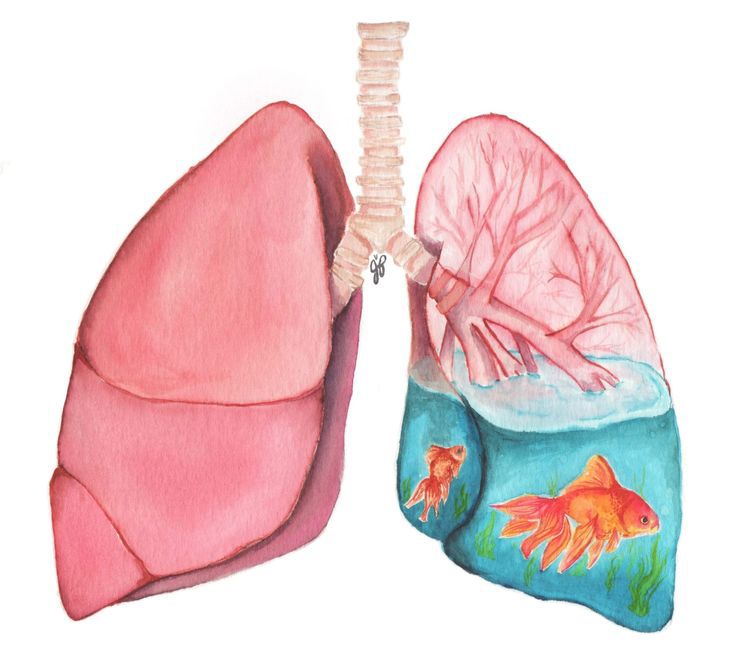
Pleural effusion is a medical condition in which excess fluid accumulates in the space between the lungs and the chest wall. This space is called the pleural cavity.
A small amount of fluid normally exists in the pleural space and helps the lungs move smoothly during breathing. Problems occur when too much fluid collects.
A pleural effusion can develop because of many different conditions, including heart failure, infections, cancer, kidney disease, liver disease and inflammatory disorders.
Some pleural effusions are small and cause no noticeable symptoms. Others can become large enough to compress the lung and cause significant shortness of breath and chest discomfort.
Understanding the causes, symptoms, types, diagnosis, treatment and warning signs of pleural effusion is important because the condition can sometimes indicate an underlying disease that requires treatment.
What Is Pleural Effusion?
The lungs are covered by a thin protective membrane called the pleura.
The pleura has two layers.
The visceral pleura covers the surface of the lungs.
The parietal pleura lines the inside of the chest wall.
Between these layers is a very small space called the pleural cavity.
Normally, only a small amount of fluid is present in this space. This fluid allows the two pleural layers to move smoothly against each other as the lungs expand and contract.
A pleural effusion occurs when excess fluid accumulates in this space.
As the amount of fluid increases, it can compress part of the lung and interfere with normal breathing.
Why Does Pleural Fluid Build Up?
Pleural fluid can accumulate when the normal balance between fluid production and fluid removal is disturbed.
This can happen because of:
Increased pressure in blood vessels
Low protein levels in the blood
Inflammation
Infection
Cancer
Damage to blood vessels or lymphatic vessels
The underlying cause determines the type of pleural effusion and helps doctors decide on the appropriate treatment.
How Common Is Pleural Effusion?
Pleural effusion is relatively common and can occur in people with many different medical conditions.
It is particularly associated with heart failure, pneumonia, cancer and other diseases affecting the heart, lungs, liver or kidneys.
Because pleural effusion is usually a consequence of another medical problem, identifying the underlying cause is an important part of evaluation.
Main Types of Pleural Effusion
Doctors commonly classify pleural effusions as transudative or exudative.
This distinction helps identify why the fluid has accumulated.
Transudative Pleural Effusion
A transudative pleural effusion usually develops because of changes in pressure or protein levels rather than direct inflammation of the pleura.
Common causes include:
Heart failure
Cirrhosis of the liver
Kidney disease
Low blood protein levels
Certain conditions causing fluid overload
Heart failure is one of the most common causes of transudative pleural effusion.
Exudative Pleural Effusion
An exudative pleural effusion usually develops because of inflammation, infection, cancer or damage involving the pleural tissues.
Possible causes include:
Pneumonia
Tuberculosis
Cancer
Pulmonary embolism
Autoimmune diseases
Pancreatic disease
Chest injury
Because exudative effusions have many possible causes, additional testing is often required to determine the underlying condition.
What Causes Pleural Effusion?
Pleural effusion can result from many diseases.
The most common causes include heart failure, infection and cancer, although other medical conditions can also be responsible.
Heart Failure
Heart failure is a major cause of pleural effusion.
When the heart cannot pump blood effectively, pressure can increase in the blood vessels of the lungs. This can cause fluid to move into surrounding tissues and eventually collect in the pleural space.
Pleural effusions related to heart failure are often transudative.
Pneumonia
A lung infection such as pneumonia can cause inflammation around the lungs and lead to an exudative pleural effusion.
When an effusion develops in association with pneumonia, it may be called a parapneumonic effusion.
Some infected pleural effusions can develop into an empyema, in which infected material or pus accumulates in the pleural space.
Cancer
Cancer can cause pleural effusion in several ways.
Cancer may directly involve the pleura or interfere with lymphatic drainage.
Cancers associated with pleural effusion can include:
Lung cancer
Breast cancer
Lymphoma
Ovarian cancer
Other cancers can also spread to the pleura and cause fluid accumulation.
A malignant pleural effusion can sometimes be the first indication that cancer has spread.
Tuberculosis
Tuberculosis can cause an inflammatory pleural effusion.
Tuberculous pleural effusion is more common in regions where tuberculosis is prevalent.
Diagnosis may require specialized testing of pleural fluid and other investigations.
Pulmonary Embolism
A pulmonary embolism occurs when a blood clot blocks an artery in the lungs.
Some people with pulmonary embolism develop a pleural effusion.
Other symptoms may include sudden shortness of breath, chest pain and rapid heart rate.
A suspected pulmonary embolism requires urgent medical evaluation.
Liver Disease
Severe liver disease, particularly cirrhosis, can cause fluid accumulation in the abdomen known as ascites.
In some people, fluid can move through small openings in the diaphragm and enter the pleural space.
This can produce a pleural effusion known as hepatic hydrothorax.
Kidney Disease
Certain kidney disorders can cause significant fluid retention or low blood protein levels.
This can contribute to the development of pleural effusion.
Autoimmune Diseases
Conditions such as:
Rheumatoid arthritis
Systemic lupus erythematosus
can cause inflammation of the pleura and result in pleural effusion.
Chest Injury
A significant chest injury can damage blood vessels or tissues and cause fluid or blood to accumulate in the pleural space.
Blood within the pleural cavity is called a hemothorax.
Pancreatic Disease
Certain pancreatic disorders can occasionally cause pleural effusion.
These effusions can sometimes contain unusually high levels of pancreatic enzymes and require specialized evaluation.
Symptoms of Pleural Effusion
The symptoms depend on the amount of fluid, how quickly it accumulates and the underlying cause.
A small effusion may cause no symptoms.
Larger effusions can cause:
Shortness of breath
Chest pain
Dry cough
Chest pressure
Difficulty breathing when lying down
Rapid breathing
Fatigue
Some people also experience symptoms caused by the underlying disease rather than the effusion itself.
Shortness of Breath
Shortness of breath is one of the most common symptoms of a significant pleural effusion.
As fluid accumulates, it can compress the lung and reduce the amount of space available for normal lung expansion.
The severity of breathlessness depends on the amount of fluid and the person’s underlying lung and heart function.
Chest Pain
Pleural inflammation can cause sharp chest pain, particularly when taking a deep breath or coughing.
This type of pain is sometimes called pleuritic chest pain.
Interestingly, a large effusion itself may not always cause severe pain. Pain is more likely when the pleura are inflamed.
Cough
A dry cough can occur when fluid compresses or irritates the lung.
The cough may become worse when lying down or taking deep breaths.
Fever and Chills
Fever and chills may occur when the pleural effusion is associated with infection.
These symptoms can be particularly important when pneumonia or empyema is suspected.
Pleural Effusion Without Symptoms
A person can have a pleural effusion without knowing it.
Small effusions may be discovered accidentally during a chest X ray, CT scan or ultrasound performed for another reason.
This is one reason imaging can sometimes reveal pleural disease before noticeable symptoms develop.
When Is Pleural Effusion an Emergency?
Pleural effusion can sometimes be associated with serious or life threatening conditions.
Seek urgent medical attention for:
Severe difficulty breathing
Sudden severe chest pain
Blue or gray lips or skin
Confusion
Fainting
Very rapid breathing
Coughing up significant amounts of blood
Sudden shortness of breath
These symptoms can occur with serious conditions such as pulmonary embolism, severe infection or major respiratory compromise.
How Is Pleural Effusion Diagnosed?
Doctors use a combination of medical history, physical examination and imaging.
Common diagnostic methods include:
Chest X ray
Chest ultrasound
Computed tomography scan
Thoracentesis
Pleural fluid laboratory testing
The appropriate tests depend on the size of the effusion and the suspected cause.
Physical Examination
During an examination, a doctor may listen to the lungs and examine the chest.
A significant pleural effusion may produce characteristic changes in breath sounds.
Doctors also look for signs of the underlying cause, such as:
Leg swelling
Signs of heart failure
Fever
Weight loss
Signs of liver disease
Signs of infection
Chest X Ray
A chest X ray is commonly used to detect pleural fluid.
It can show fluid collecting at the bottom of the chest or other changes suggesting an underlying lung problem.
However, a chest X ray may not identify very small effusions or the exact cause of the fluid.
Chest Ultrasound
Chest ultrasound is highly useful for detecting pleural fluid.
It can identify relatively small amounts of fluid and help doctors determine whether the fluid is free flowing or separated into pockets.
Ultrasound can also guide procedures such as thoracentesis, making the procedure safer and more accurate.
CT Scan
A CT scan of the chest provides detailed images of the lungs, pleura and surrounding structures.
It can help doctors investigate:
Cancer
Pneumonia
Pulmonary embolism
Pleural thickening
Chest injury
Other abnormalities
What Is Thoracentesis?
Thoracentesis is a procedure in which a needle or catheter is inserted into the pleural space to remove fluid.
It can serve two purposes.
First, removing fluid can improve breathing when the effusion is large.
Second, the fluid can be sent to a laboratory for analysis to help determine the cause.
What Does Pleural Fluid Testing Show?
Laboratory analysis of pleural fluid can provide important information.
Doctors may examine:
Protein
Lactate dehydrogenase
Glucose
pH
Cell counts
Bacteria
Cancer cells
Other chemical markers
Additional tests may be performed when tuberculosis, fungal infection or other specific diseases are suspected.
Light’s Criteria
Doctors commonly use Light’s criteria to help determine whether a pleural effusion is transudative or exudative.
The analysis compares characteristics of pleural fluid with blood measurements.
The result helps doctors determine whether the fluid is more likely related to systemic pressure or protein changes or to local inflammation, infection or malignancy.
Cytology and Cancer Testing
When cancer is suspected, pleural fluid may be examined for malignant cells.
This test is called pleural fluid cytology.
A positive result can sometimes establish that cancer is present in the pleural space.
However, a negative cytology result does not always completely exclude cancer, and additional testing may be necessary.
Pleural Biopsy
If the cause remains unclear, doctors may recommend a pleural biopsy.
During this procedure, a small tissue sample is obtained from the pleura and examined under a microscope.
A biopsy can be particularly useful when doctors suspect:
Cancer
Tuberculosis
Other inflammatory diseases
Thoracoscopy
Thoracoscopy, also called medical thoracoscopy or performed as part of video assisted thoracoscopic surgery depending on the situation, allows doctors to directly examine the pleural space.
It can also allow tissue samples to be obtained.
Thoracoscopy can be particularly helpful when less invasive tests have not established a diagnosis.
Treatment of Pleural Effusion
Treatment depends primarily on why the fluid accumulated.
The main goals are to:
Treat the underlying cause
Relieve breathing problems
Prevent fluid from returning when necessary
Treatment may include medication, drainage or specialized procedures.
Treating Heart Failure
When heart failure is responsible, treatment may include:
Diuretics
Heart failure medications
Fluid management
Treatment of contributing heart conditions
Reducing excess fluid in the body can cause the pleural effusion to improve.
Treating Infection
If a bacterial infection is responsible, antibiotics may be required.
If infected fluid has collected in the pleural space, antibiotics alone may not be sufficient.
The fluid may need to be drained.
Treating Empyema
Empyema is an infected collection of fluid or pus within the pleural space.
Treatment often involves:
Antibiotics
Pleural drainage
Sometimes additional procedures or surgery
Early treatment is important because empyema can become a serious infection.
Drainage of Pleural Fluid
A large effusion causing significant symptoms may need to be drained.
This can be done using:
Thoracentesis
Chest tube drainage
Image guided drainage
The choice depends on the characteristics of the effusion and the underlying condition.
Pleural Effusion Caused by Cancer
Treatment of a malignant pleural effusion depends on the type of cancer, overall health and treatment goals.
Options can include:
Therapeutic drainage
Treatment of the underlying cancer
Indwelling pleural catheter
Pleurodesis
The best approach is individualized.
What Is Pleurodesis?
Pleurodesis is a procedure designed to prevent recurrent pleural fluid from accumulating.
The procedure causes the pleural layers to adhere to each other, reducing the space where fluid can collect.
It may be considered for selected patients with recurrent malignant pleural effusions or other recurrent effusions.
Indwelling Pleural Catheter
An indwelling pleural catheter is a small flexible tube that remains in place and allows recurrent pleural fluid to be drained periodically.
It can be useful for selected people who have recurrent symptomatic effusions, particularly when repeated hospital procedures would otherwise be necessary.
Can Pleural Effusion Go Away on Its Own?
Sometimes.
A small pleural effusion caused by a condition that responds to treatment may gradually disappear.
For example, a fluid collection related to heart failure may improve when the heart failure is treated.
However, an unexplained pleural effusion should not simply be ignored because the fluid may be a sign of a significant underlying disease.
What Happens If Pleural Effusion Is Not Treated?
The consequences depend on the cause and size of the effusion.
A small stable effusion may cause few problems.
A large or infected effusion can result in:
Increasing breathlessness
Reduced lung expansion
Persistent infection
Scarring of the pleura
Respiratory impairment
An untreated underlying disease can also continue to progress.
Complications of Pleural Effusion
Possible complications include:
Respiratory distress
Empyema
Pleural thickening
Fibrothorax
Lung restriction
Recurrent effusion
Complications are more likely when the underlying cause is severe or when infection is present.
What Is Fibrothorax?
Fibrothorax occurs when significant scarring develops around the lung and restricts its ability to expand.
It can occur after severe infection, tuberculosis, hemothorax or other pleural diseases.
In advanced cases, surgical treatment may sometimes be considered.
Can Pleural Effusion Come Back?
Yes.
Recurrent pleural effusion can occur when the underlying cause remains active.
For example, malignant effusions may repeatedly return, as can some effusions associated with chronic heart, liver or kidney disease.
Preventing recurrence generally requires treating the underlying condition and sometimes using procedures such as pleurodesis or an indwelling pleural catheter.
Pleural Effusion and Cancer
A pleural effusion does not automatically mean cancer.
Many noncancerous conditions can cause pleural fluid.
However, cancer becomes an important consideration when an effusion is unexplained, recurrent or associated with symptoms such as:
Unexplained weight loss
Persistent cough
Chest pain
Smoking history
Abnormal imaging findings
Doctors may perform pleural fluid cytology, CT imaging or pleural biopsy when malignancy is suspected.
Pleural Effusion and Tuberculosis
Tuberculosis can cause an exudative pleural effusion.
A tuberculous effusion may develop when the immune system responds to tuberculosis infection involving the pleura.
Diagnosis can be challenging and may require:
Pleural fluid testing
Blood tests
Imaging
Microbiological testing
Pleural biopsy
Treatment requires an appropriate antituberculosis medication regimen under medical supervision.
Pleural Effusion and Heart Failure
Heart failure can cause fluid to accumulate on one or both sides of the chest.
Treating the underlying heart failure often improves the effusion.
If a patient has symptoms such as worsening breathlessness, leg swelling, rapid weight gain or difficulty breathing while lying down, medical evaluation may be necessary.
Pleural Effusion During Pregnancy
Pleural effusion during pregnancy is uncommon and should be evaluated carefully.
Possible causes include infection, heart disease, autoimmune disorders and other conditions.
Treatment decisions during pregnancy need to consider both the mother’s health and the developing baby.
A pregnant person experiencing significant breathing difficulty should seek medical attention promptly.
Pleural Effusion in Children
Pleural effusion can occur in children, although the causes may differ from those commonly seen in adults.
Pneumonia is an important cause of pleural effusion in children.
Children may develop:
Fever
Cough
Chest pain
Rapid breathing
Difficulty breathing
Reduced activity
A child with significant breathing difficulty requires prompt medical evaluation.
Can Diet Cure Pleural Effusion?
There is no specific diet that cures pleural effusion.
However, dietary recommendations may be part of treating the underlying condition.
For example, some people with heart failure may be advised to limit sodium intake.
People with kidney or liver disease may have other individualized dietary recommendations.
Dietary changes should be based on the underlying medical condition and guidance from a healthcare professional.
Lifestyle Considerations
Lifestyle changes cannot directly remove all types of pleural effusion, but they can support treatment of some underlying diseases.
Important habits may include:
Avoiding smoking
Maintaining a healthy weight
Following prescribed medications
Attending medical appointments
Following recommended dietary advice
Managing heart, kidney and liver conditions
Can Smoking Cause Pleural Effusion?
Smoking is not usually a direct cause of pleural effusion, but it increases the risk of diseases that can cause it.
Smoking is strongly associated with lung cancer and contributes to many respiratory and cardiovascular diseases.
Quitting smoking is therefore an important step toward protecting overall lung and heart health.
Pleural Effusion and COVID 19
Respiratory infections can sometimes be associated with pleural abnormalities.
Pleural effusion is not considered a typical feature of uncomplicated COVID 19, but it can occur in certain complicated cases or when another condition is present.
A pleural effusion in someone with a respiratory infection should therefore be evaluated in the context of the complete clinical picture.
How Can Pleural Effusion Be Prevented?
There is no single way to prevent every pleural effusion because the condition has many different causes.
However, risk can sometimes be reduced by managing underlying diseases.
Important measures include:
Controlling heart disease
Treating infections promptly
Avoiding tobacco
Managing chronic kidney disease
Managing liver disease
Following appropriate treatment for autoimmune conditions
Using workplace protection when exposed to respiratory hazards
Prognosis of Pleural Effusion
The outlook depends mainly on the underlying cause.
A small effusion caused by a temporary condition may resolve completely.
An effusion caused by chronic heart, kidney or liver disease may improve with long term management.
A malignant pleural effusion may indicate advanced cancer and generally requires specialized cancer care.
Therefore, the prognosis cannot be determined simply by knowing that a person has pleural effusion.
Frequently Asked Questions About Pleural Effusion
Is pleural effusion dangerous?
It can be.
A small effusion may cause few problems, while a large, infected or rapidly developing effusion can become serious.
The underlying cause is also important.
Can pleural effusion be cured?
Sometimes.
If the underlying cause can be successfully treated, the fluid may disappear.
Some chronic or recurrent effusions require ongoing treatment or drainage.
Is pleural effusion cancer?
No.
Pleural effusion is not itself cancer.
However, cancer can cause pleural effusion, so unexplained or recurrent fluid may require investigation.
Is pleural effusion painful?
It can be, particularly when the pleura are inflamed.
Some people experience sharp pain during deep breathing or coughing.
Others mainly experience breathlessness or chest pressure.
Can pleural effusion cause shortness of breath?
Yes.
A significant amount of fluid can compress the lung and make breathing more difficult.
Can pleural effusion go away without drainage?
Yes, in some cases.
If the underlying cause responds to treatment, the fluid may gradually disappear without a drainage procedure.
Does pleural effusion always require hospitalization?
No.
The need for hospitalization depends on the size of the effusion, symptoms, underlying cause and overall health.
Is pleural effusion contagious?
Pleural effusion itself is not contagious.
However, an infection causing the effusion may be contagious depending on the specific infection.
How is pleural effusion removed?
Fluid can be removed using procedures such as thoracentesis or chest tube drainage.
Some effusions improve when the underlying cause is treated and may not require direct drainage.
Can pleural effusion return?
Yes.
Recurrence is possible, especially when the underlying disease remains active.
Pleural effusion is the abnormal accumulation of fluid around the lungs. It is not a disease with one single cause but rather a finding that can result from many different medical conditions.
Common causes include heart failure, pneumonia, cancer, tuberculosis, kidney disease, liver disease, pulmonary embolism and autoimmune disorders.
The most important symptoms are shortness of breath, chest discomfort, cough and difficulty breathing, although small effusions may produce no symptoms at all.
Diagnosis may involve chest X ray, ultrasound, CT scanning and analysis of pleural fluid. In some cases, a biopsy or thoracoscopy is necessary to determine the cause.
Treatment is based on the underlying condition. Some patients improve with medication alone, while others may need thoracentesis, chest tube drainage, pleurodesis or an indwelling pleural catheter.
The key point is that pleural effusion should not be viewed as a diagnosis by itself. Finding out why the fluid accumulated is essential for choosing the right treatment and understanding the person’s prognosis.
Anyone experiencing severe breathing difficulty, sudden chest pain, blue or gray skin, fainting, confusion or sudden severe shortness of breath should seek emergency medical attention.
Medical Disclaimer
This article is intended for general educational purposes only and should not be used as a substitute for professional medical diagnosis or treatment. Pleural effusion can have many causes, and the appropriate investigation and treatment depend on the individual patient. Anyone with persistent breathing problems, chest pain or a diagnosed pleural effusion should consult a qualified healthcare professional.
© aminarehman.com. All rights reserved.


Leave a Reply