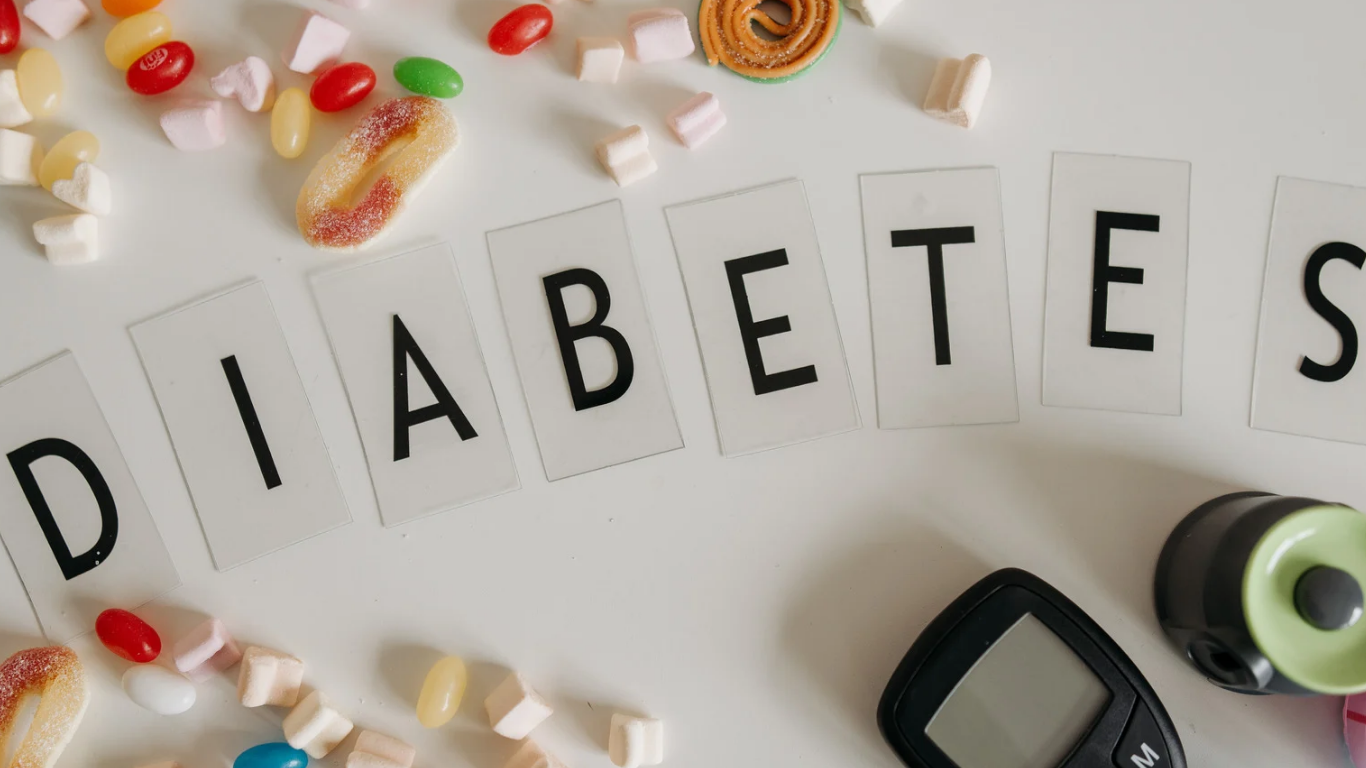

Diabetes mellitus (DM) is a chronic metabolic disorder characterized by elevated blood glucose levels (hyperglycemia). It occurs when the body does not produce enough insulin, does not respond properly to insulin, or both.
Diabetes affects multiple organs and, when poorly controlled, can cause serious microvascular and macrovascular complications. Appropriate nutrition, physical activity, medication, glucose monitoring, and regular medical follow up are essential for preventing complications.
What Is Diabetes Mellitus?
Diabetes mellitus develops when the normal regulation of blood glucose is disrupted.
After eating, carbohydrates are broken down into glucose, which enters the bloodstream. In response to increased blood glucose, the pancreas releases insulin from its beta cells.
Insulin helps glucose move from the bloodstream into cells, where it can be used for energy or stored for later use.
In diabetes:
Insulin deficiency and/or insulin resistance → reduced glucose utilization → increased blood glucose → hyperglycemia
Persistent hyperglycemia can eventually damage blood vessels, nerves, kidneys, eyes, and other organs.
What Is Insulin?
Insulin is a hormone produced by the beta cells of the pancreas.
Its major functions include:
- Promoting glucose uptake into skeletal muscle and adipose tissue
- Promoting glucose storage as glycogen
- Reducing glucose production by the liver
- Promoting fat and protein synthesis
- Suppressing excessive fat breakdown and ketone production
Insulin can therefore be considered an important regulator of blood glucose and energy metabolism.
Pathophysiology of Diabetes Mellitus
The underlying mechanism differs according to the type of diabetes.
Insulin Deficiency
When there is insufficient insulin:
Insulin ↓ → cellular glucose uptake ↓ → blood glucose ↑
Cells cannot adequately use glucose, so the body begins using alternative energy sources.
Insulin Resistance
In insulin resistance, body cells do not respond normally to insulin.
Initially, the pancreas compensates by producing more insulin. Over time, pancreatic beta-cell function may decline, resulting in increasing blood glucose.
Increased Fat Breakdown
When insulin action is severely inadequate, the body increases lipolysis, releasing free fatty acids.
The liver converts these fatty acids into ketone bodies.
Excessive ketone production can cause diabetic ketoacidosis (DKA).
Types of Diabetes Mellitus
The major types include:
- Type 1 diabetes mellitus
- Type 2 diabetes mellitus
- Gestational diabetes mellitus
- Other specific types of diabetes
Type 1 Diabetes Mellitus
Type 1 diabetes is primarily an autoimmune disorder in which the body’s immune system destroys pancreatic beta cells.
This causes severe or nearly complete insulin deficiency.
Important Features of Type 1 Diabetes
- Autoimmune beta cell destruction
- Very low or absent endogenous insulin production
- Requires insulin therapy
- Increased risk of diabetic ketoacidosis
- Can occur at any age
- Symptoms may develop relatively rapidly
Patients with type 1 diabetes require insulin because their bodies cannot produce sufficient insulin to maintain normal glucose metabolism.
Type 2 Diabetes Mellitus
Type 2 diabetes is the most common form of diabetes.
It develops primarily because of:
- Insulin resistance
- Progressive beta cell dysfunction
- Relative insulin deficiency
Initially, the pancreas may produce more insulin to compensate for insulin resistance. Eventually, insulin production may become inadequate.
Risk Factors for Type 2 Diabetes
Important risk factors include:
- Overweight or obesity
- Physical inactivity
- Family history of diabetes
- Increasing age
- Previous gestational diabetes
- Hypertension
- Dyslipidemia
- Metabolic syndrome
- Genetic susceptibility
Type 2 diabetes can also develop in younger adults.
Gestational Diabetes Mellitus
Gestational diabetes mellitus (GDM) is diabetes first diagnosed during pregnancy that does not clearly represent pre-existing diabetes.
During pregnancy, placental hormones increase insulin resistance.
Normally, the pancreas compensates by producing more insulin. If insulin production cannot adequately compensate, blood glucose rises.
Gestational diabetes usually improves after delivery, but it increases the mother’s future risk of developing type 2 diabetes.
Other Causes of Diabetes
Diabetes may also develop because of:
- Diseases of the pancreas
- Pancreatic surgery
- Certain endocrine disorders
- Genetic disorders affecting insulin production or action
- Certain medications, including glucocorticoids
- Other specific medical conditions
Risk Factors for Diabetes
Modifiable Risk Factors
- Overweight or obesity
- Physical inactivity
- Unhealthy dietary patterns
- Smoking
- Excessive calorie intake
- Hypertension
- Dyslipidemia
Non Modifiable Risk Factors
- Family history
- Age
- Genetic factors
- Previous gestational diabetes
- Certain ethnic or genetic backgrounds
Signs and Symptoms of Diabetes
The classic symptoms are known as the 3 Ps:
Polyuria
Polyuria means excessive urination.
Polydipsia
Polydipsia means excessive thirst.
Polyphagia
Polyphagia means increased hunger.
Other symptoms may include:
- Unexplained weight loss
- Fatigue
- Blurred vision
- Recurrent infections
- Slow wound healing
- Recurrent urinary tract infections
- Recurrent candidiasis
- Dry or itchy skin
- Numbness or tingling
- Weakness
Some people with type 2 diabetes may have few or no symptoms for years.
Why Does Diabetes Cause Polyuria?
When blood glucose becomes sufficiently high, the kidneys cannot reabsorb all the filtered glucose.
As a result:
Blood glucose ↑ → glycosuria → osmotic diuresis → increased urine production
This causes polyuria and fluid loss.
Why Does Diabetes Cause Polydipsia?
Excessive urination causes loss of body water.
Therefore:
Polyuria → dehydration → increased thirst → polydipsia
Why Does Diabetes Cause Polyphagia?
Although blood glucose is high, cells may not be able to use glucose effectively because of insulin deficiency or insulin resistance.
This creates a state of inadequate cellular energy utilization and can contribute to increased hunger.
Why Does Diabetes Cause Weight Loss?
Severe insulin deficiency causes the body to use fat and protein as alternative energy sources.
Therefore:
Insulin deficiency → increased lipolysis and proteolysis → loss of body fat and muscle → weight loss
This is particularly prominent in untreated type 1 diabetes.
Diagnosis of Diabetes Mellitus
Diabetes can be diagnosed using several laboratory tests.
HbA1c
An HbA1c ≥6.5% is a diagnostic criterion for diabetes.
HbA1c reflects average blood glucose over approximately the previous 2–3 months.
Fasting Plasma Glucose
A fasting plasma glucose ≥126 mg/dL (7.0 mmol/L) is a diagnostic criterion.
Fasting generally means no caloric intake for at least 8 hours.
Oral Glucose Tolerance Test
A 2 hour plasma glucose ≥200 mg/dL (11.1 mmol/L) during a 75-g oral glucose tolerance test is diagnostic.
Random Plasma Glucose
A random plasma glucose ≥200 mg/dL (11.1 mmol/L) in a person with classic symptoms of hyperglycemia or hyperglycemic crisis is diagnostic.
When there are no unequivocal symptoms, abnormal results generally require confirmation with repeat testing.
Acute Complications of Diabetes
The major acute complications include:
- Hypoglycemia
- Diabetic ketoacidosis (DKA)
- Hyperosmolar hyperglycemic state (HHS)
Hypoglycemia
Hypoglycemia refers to abnormally low blood glucose. A glucose level below 70 mg/dL (3.9 mmol/L) is commonly used as an alert threshold.
Symptoms of Hypoglycemia
Adrenergic Symptoms
- Sweating
- Tremor
- Palpitations
- Hunger
- Anxiety
Neuroglycopenic Symptoms
When the brain does not receive enough glucose:
- Confusion
- Difficulty concentrating
- Abnormal behavior
- Weakness
- Seizures
- Loss of consciousness
Severe hypoglycemia can be life-threatening.
Management of Hypoglycemia
If the patient is conscious and able to swallow safely:
Give approximately 15 g of fast acting carbohydrate.
Examples include:
- Glucose tablets
- Glucose gel
- Appropriate sugary drinks or juice
Blood glucose should generally be rechecked after approximately 15 minutes and treatment repeated if it remains low.
If the patient is unconscious or cannot swallow safely:
Do not give food or drink orally.
Treatment may involve glucagon or IV dextrose, depending on the clinical situation and local protocol.
Diabetic Ketoacidosis
Diabetic ketoacidosis (DKA) is a serious acute metabolic complication characterized by:
Hyperglycemia + ketosis + metabolic acidosis
It occurs most commonly in type 1 diabetes, although it can also occur in type 2 diabetes.
Hyperglycemia → osmotic diuresis → dehydration and electrolyte loss
Symptoms of DKA
- Polyuria
- Polydipsia
- Dehydration
- Nausea
- Vomiting
- Abdominal pain
- Weakness
- Tachycardia
- Hypotension
- Altered mental status
A characteristic respiratory pattern is:
Kussmaul respiration : deep, rapid breathing associated with metabolic acidosis.
Patients may also have fruity or acetone-like breath because of ketone production.
Common Triggers of DKA
- Missed insulin
- Infection
- Newly diagnosed diabetes
- Myocardial infarction
- Stroke
- Other severe physiological stress
Treatment of DKA
Major treatment principles include:
IV Fluids
Fluids are administered to correct dehydration and circulatory volume depletion.
Insulin
Insulin suppresses ketone production and helps correct hyperglycemia.
Potassium and Electrolyte Management
Potassium monitoring is essential.
Although serum potassium may initially appear normal or elevated, total body potassium is usually depleted.
Insulin can shift potassium into cells and cause potentially dangerous hypokalemia.
Treat the Underlying Cause
The precipitating condition, such as infection or missed insulin, must also be addressed.
Hyperosmolar Hyperglycemic State
Hyperosmolar hyperglycemic state (HHS) is a serious complication that occurs more commonly in people with type 2 diabetes.
It is characterized by:
- Severe hyperglycemia
- Severe dehydration
- Increased serum osmolality
- Altered mental status
- Minimal or absent significant ketoacidosis
Pathophysiology of HHS
Severe hyperglycemia → osmotic diuresis → massive water loss → dehydration → increased serum osmolality → neurological dysfunction
Treatment generally includes:
- IV fluids
- Insulin
- Electrolyte management
- Treatment of the underlying cause
Chronic Complications of Diabetes
Long-term hyperglycemia can damage blood vessels and nerves.
Complications are broadly divided into:
Microvascular Complications
- Diabetic retinopathy
- Diabetic nephropathy
- Diabetic neuropathy
Macrovascular Complications
- Coronary artery disease
- Myocardial infarction
- Stroke
- Peripheral arterial disease
Diabetic Retinopathy
Diabetic retinopathy occurs because chronic hyperglycemia damages retinal blood vessels.
It can cause:
- Retinal ischemia
- Abnormal blood vessel growth
- Retinal hemorrhage
- Macular edema
- Progressive visual impairment
Severe disease can result in vision loss or blindness.
Regular diabetic eye screening is important.
Diabetic Nephropathy
Diabetic kidney disease results from chronic diabetes-related damage to the kidneys.
An important early marker is increased urinary albumin.
Progressive kidney damage can result in:
Albuminuria → declining kidney function → chronic kidney disease → kidney failure
Blood pressure control and appropriate diabetes management can help reduce kidney complications.
Diabetic Neuropathy
Diabetic neuropathy refers to nerve damage associated with diabetes.
Common symptoms include:
- Numbness
- Burning
- Tingling
- Reduced sensation
- Shooting or electric-like pain
Peripheral neuropathy frequently affects the feet in a stocking distribution.
Loss of protective sensation is dangerous because the patient may not notice injuries such as:
- Cuts
- Burns
- Blisters
- Pressure injuries
- Ulcers
Diabetic Foot
The diabetic foot is an important complication involving several factors.
Neuropathy + peripheral arterial disease + impaired healing + infection risk
can lead to:
Minor injury → unnoticed wound → ulcer → infection → tissue damage → gangrene → possible amputation
Why Does Diabetes Delay Wound Healing?
Several mechanisms contribute to delayed wound healing in diabetes. Chronic hyperglycemia can impair immune-cell function, which increases the risk of infection. At the same time, vascular disease can reduce tissue perfusion, leading to decreased oxygen and nutrient delivery to the affected area and ultimately resulting in poor healing. Neuropathy can further contribute to delayed healing by allowing repeated, unnoticed trauma to occur.
Diabetic Foot Care
Patients should:
- Inspect their feet every day
- Keep feet clean and dry
- Moisturize dry skin but avoid applying moisturizer between the toes
- Avoid walking barefoot
- Wear properly fitting footwear
- Avoid cutting corns or calluses themselves
- Report wounds promptly
- Attend regular foot examinations
Why Does Diabetes Increase Infection Risk?
Persistent hyperglycemia can impair several aspects of immune function, including:
- Neutrophil function
- Chemotaxis
- Phagocytosis
- Cellular immune responses
Poor circulation, tissue damage, and hyperglycemia can therefore increase the risk of infection and delay recovery.
Cardiovascular Complications
Diabetes increases the risk of cardiovascular disease.
Important complications include:
- Coronary artery disease
- Myocardial infarction
- Stroke
- Peripheral arterial disease
Other cardiovascular risk factors include:
- Hypertension
- Dyslipidemia
- Smoking
- Obesity
- Chronic hyperglycemia
Therefore, diabetes management involves much more than controlling blood glucose.
Management of Diabetes Mellitus
Diabetes management is individualized and may include:
- Healthy nutrition
- Physical activity
- Medication
- Blood glucose monitoring
- Weight management when appropriate
- Blood pressure management
- Lipid management
- Regular screening for complications
- Patient education
Nutrition and Diabetes
A diabetes-friendly eating pattern does not mean eliminating all carbohydrates.
Instead, emphasis should be placed on:
- Appropriate portion sizes
- High fiber carbohydrates
- Vegetables
- Whole foods
- Lean protein
- Healthy fats
- Whole fruits
- Limiting sugar-sweetened beverages
- Limiting highly processed foods
Examples of higher-fiber carbohydrate choices include:
- Whole grains
- Legumes
- Vegetables
- Whole fruits
Physical Activity
Regular physical activity can improve:
Insulin sensitivity → glucose uptake by muscle → blood glucose control
A combination of aerobic activity and resistance training is generally beneficial.
People using insulin or medications capable of causing hypoglycemia may require additional precautions around exercise.
Medications Used in Diabetes
Depending on the type of diabetes and individual clinical factors, treatment may include:
- Metformin
- GLP-1 receptor agonists
- SGLT2 inhibitors
- DPP 4 inhibitors
- Sulfonylureas
- Thiazolidinediones
- Insulin
- Other glucose-lowering therapies
Medication selection depends on factors such as:
- Type of diabetes
- Degree of hyperglycemia
- Cardiovascular disease
- Kidney function
- Body weight
- Hypoglycemia risk
- Pregnancy
- Cost and accessibility
Insulin Therapy
Insulin is essential for people with type 1 diabetes.
It may also be required in type 2 diabetes when:
- Blood glucose is markedly elevated
- Non-insulin medications are insufficient
- Significant insulin deficiency develops
- Certain acute illnesses occur
- Pregnancy requires insulin treatment
- Hyperglycemic emergencies occur
Types of Insulin
Insulin preparations include:
- Rapid acting insulin
- Short acting insulin
- Intermediate acting insulin
- Long acting insulin
- Ultra long acting insulin
Insulin Injection Sites
Common injection sites include:
- Abdomen
- Thigh
- Upper arm
- Buttocks
Rotation of injection sites is important to reduce the risk of lipohypertrophy and inconsistent insulin absorption.
Why Can Insulin Cause Hypoglycemia?
Insulin lowers blood glucose.
If insulin action becomes greater than the available glucose:
Insulin effect ↑ → blood glucose ↓ → hypoglycemia
Risk can increase with:
- Excessive insulin dose
- Missed or delayed meals
- Increased physical activity
- Alcohol
- Renal impairment
- Changes in insulin requirements
Blood Glucose Monitoring
Blood glucose can be monitored using:
Capillary Blood Glucose
A finger stick blood glucose test.
Continuous Glucose Monitoring
Continuous glucose monitoring (CGM) uses a sensor to monitor glucose levels and trends.
Monitoring helps identify:
- Hyperglycemia
- Hypoglycemia
- Fasting glucose patterns
- Post meal glucose changes
- Glucose trends
Diabetes and Pregnancy
Diabetes during pregnancy requires careful management.
Potential maternal and fetal complications include:
- Preeclampsia
- Excessive fetal growth
- Delivery complications
- Neonatal hypoglycemia
- Increased future metabolic risk
Good glucose control before conception and during pregnancy is important.
Nursing Assessment of a Patient With Diabetes
A nurse should perform a comprehensive assessment.
History
Assess:
- Type and duration of diabetes
- Current medications
- Insulin use
- Blood glucose monitoring
- Dietary pattern
- Physical activity
- Previous hypoglycemia
- Previous DKA or HHS
- Diabetes complications
- Medication adherence
- History of infection
Physical Assessment
Assess:
- Vital signs
- Hydration status
- Mental status
- Skin
- Injection sites
- Feet
- Peripheral pulses
- Sensation
- Wounds
- Signs of infection
Nursing Diagnoses
Depending on the patient’s condition, possible nursing diagnoses include:
- Risk for unstable blood glucose level
- Deficient knowledge
- Risk for infection
- Impaired skin integrity
- Deficient fluid volume
- Activity intolerance
- Risk for falls
- Acute confusion associated with severe glucose abnormalities
Nursing Management of Diabetes
Important nursing interventions include:
Monitor
- Blood glucose
- Vital signs
- Intake and output
- Electrolytes
- Renal function
- Ketones when indicated
- Mental status
- Signs of infection
Administer
- Prescribed insulin
- Oral antidiabetic medications
- IV fluids when indicated
- Electrolyte replacement
- Other prescribed treatments
Assess
- Feet
- Wounds
- Skin
- Injection sites
- Hydration
- Nutritional status
Educate
Patients should receive education about:
- Medication administration
- Blood glucose monitoring
- Nutrition
- Physical activity
- Foot care
- Hypoglycemia
- Hyperglycemia
- Sick day management
- When to seek emergency medical attention
Sick Day Management
Illness can cause blood glucose to rise even when the patient is eating less.
Patients should have an individualized sick day management plan.
Important principles may include:
- Monitor blood glucose more frequently
- Maintain adequate hydration
- Follow prescribed medication instructions
- Monitor ketones when indicated
- Seek medical attention for persistent vomiting, dehydration, significant ketones, breathing difficulty, or altered consciousness
People with type 1 diabetes should not stop insulin without medical advice, even when they are eating less.
Screening for Diabetes Complications
People with diabetes require regular assessment for complications.
Eye Screening
Regular screening for diabetic retinopathy.
Kidney Screening
Assessment may include:
- Urinary albumin
- Kidney function tests
Foot Screening
Assessment of:
- Sensation
- Skin
- Pulses
- Wounds
- Foot deformities
Cardiovascular Assessment
Monitor:
- Blood pressure
- Lipid levels
- Cardiovascular risk factors
Neuropathy Assessment
Assess for:
- Numbness
- Tingling
- Burning
- Loss of protective sensation
- Neuropathic pain
Diabetes Mellitus: Important Comparison
Feature Type 1 Diabetes Type 2 Diabetes Gestational Diabetes Main problem Beta cell destruction Insulin resistance and beta-cell dysfunction Pregnancy related insulin resistance Insulin Very low or absent Initially present, may decline Often insufficient for increased demand Typical onset Often younger, but any age Usually adulthood, but can occur at younger ages During pregnancy Insulin treatment Required May or may not be required May be required DKA risk High Lower but possible Usually uncommon
Diabetes Mellitus: Key Points for Nurses
Diabetes mellitus is characterized by chronic hyperglycemia.
Type 1 diabetes results primarily from autoimmune destruction of pancreatic beta cells and causes absolute insulin deficiency.
Type 2 diabetes involves insulin resistance and progressive beta-cell dysfunction.
The classic symptoms are:
Polyuria + Polydipsia + Polyphagia
HbA1c reflects average glycemic exposure over approximately 2–3 months.
DKA is characterized by ketosis and metabolic acidosis and occurs most commonly in type 1 diabetes.
HHS is characterized by severe hyperglycemia, dehydration, and hyperosmolality, usually with minimal significant ketosis.
Hypoglycemia can cause sweating, tremor, confusion, seizures, and loss of consciousness.
The major microvascular complications are:
- Retinopathy
- Nephropathy
- Neuropathy
The major macrovascular complications include:
- Coronary artery disease
- Stroke
- Peripheral arterial disease
Diabetic foot complications result from a combination of neuropathy, vascular disease, trauma, infection, and impaired healing.
Effective diabetes management requires a combination of nutrition, physical activity, medication, glucose monitoring, complication screening, and patient education.
Copyright © 2026 Amina Rehman. All rights reserved.


Leave a Reply